Introduction
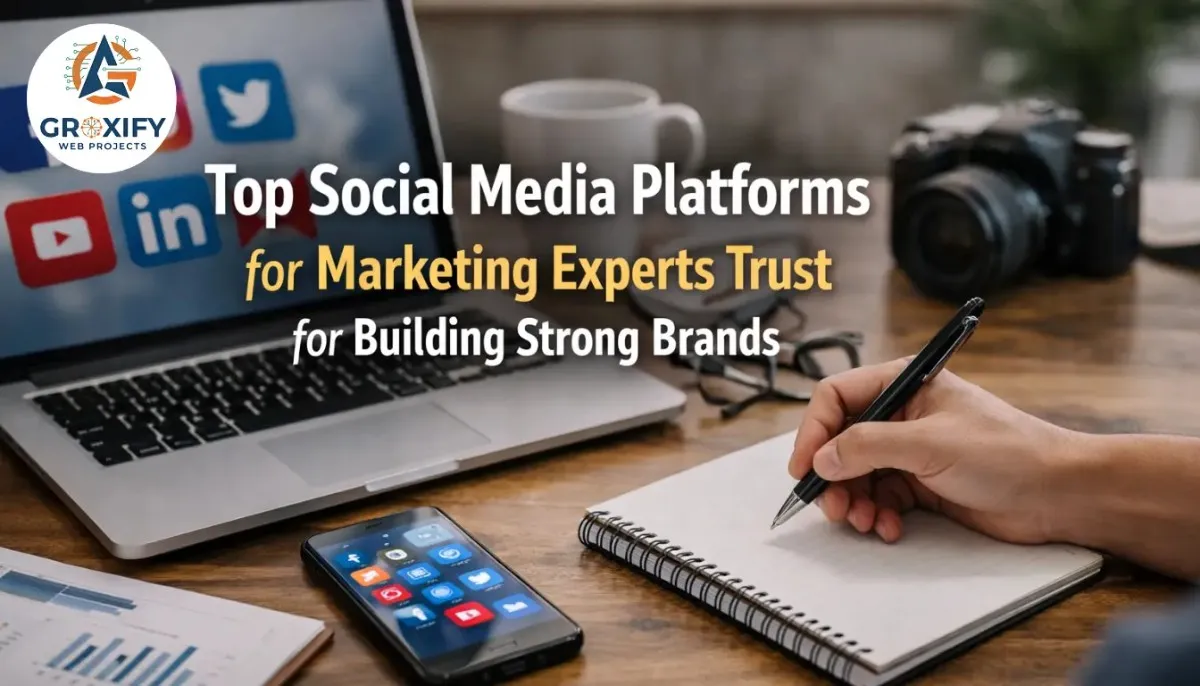
Most businesses today are present on social media, but very few actually get results from it. Posting regularly is not the problem. Choosing the right social media platforms and using them correctly is where most people struggle.
Table of Contents
With so many social media channels available, it becomes confusing to decide where to focus. Should you use all social media accounts or only a few? Which platform actually brings leads, sales, or brand growth?
This guide will give you complete clarity. You will understand the top social media platforms, how they work for marketing, which ones suit your business, and how to make the right decision based on your goals.
By the end, you will know exactly where to invest your time and effort for better results.
How Social Media Platforms Work for Marketing
Social media platforms work as attention engines. They help businesses reach the right audience through content, engagement, and paid promotions.
Every platform uses algorithms to decide what users see. These algorithms focus on user behavior like likes, comments, shares, watch time, and clicks. The better your content performs, the more reach you get.
1. Content Distribution
You create posts like videos, images, or text. The platform shows them to a small audience first.
If people engage, the platform pushes your content to more users. This is how organic growth happens.
2. Audience Targeting
Social media platforms collect user data based on interests, location, and behavior.
This allows you to target very specific audiences using:
- Interests
- Age group
- Location
- Online activity
This is especially useful for ads and lead generation.
3. Engagement Builds Visibility
Engagement signals tell platforms that your content is valuable.
Important engagement factors:
- Likes
- Comments
- Shares
- Saves
- Watch time
More engagement = more reach.
4. Paid Promotion System
Organic reach is limited. Paid ads help you scale faster.
You can:
- Run traffic campaigns
- Generate leads
- Promote products
- Retarget users
This makes social media a strong sales channel, not just a branding tool.
5. Conversion Funnel
Social media works step-by-step, not instantly.
Typical funnel:
- Awareness (content reach)
- Interest (engagement)
- Consideration (profile visits, clicks)
- Conversion (purchase or inquiry)
Many businesses fail because they expect instant sales without building this flow.
6. Analytics and Optimization
Every platform provides data insights.
You can track:
- Reach
- Engagement rate
- Clicks
- Conversions
This helps you improve your strategy over time.
Example:
A digital marketing agency like Groxify Web Projects uses content + ads + retargeting together. Instead of just posting, they build a system that converts viewers into leads consistently.
In short, social media platforms are not just for posting content. They are structured marketing systems that combine visibility, targeting, and conversion.
Types of Social Media Platforms
Not all social media platforms work the same way. Each platform is built for a specific type of content, audience, and marketing goal.
Understanding these types helps you avoid wasting time on the wrong social media channels.
1. Social Networking Platforms
These platforms focus on connecting people and building communities.
Examples: Facebook, LinkedIn
Best for:
- Brand awareness
- Community building
- B2B and B2C marketing
These platforms allow businesses to interact directly with their audience through posts, groups, and messages.
2. Media Sharing Platforms
These platforms are built for visual content like images and videos.
Examples: Instagram, YouTube
Best for:
- Content marketing
- Influencer marketing
- Product showcasing
Visual content performs better here and helps build strong brand identity.
3. Short Video Platforms
Short-form content is dominating.
Examples: TikTok, Instagram Reels, YouTube Shorts
Best for:
- Viral growth
- Quick engagement
- Reaching new audiences
These platforms push content aggressively through algorithms, even for new creators.
4. Messaging Platforms
These platforms focus on direct communication.
Examples: WhatsApp, Telegram, Messenger
Best for:
- Customer support
- Lead nurturing
- Personal communication
Businesses use them for building trust and closing deals faster.
5. Discussion & Community Platforms
These platforms are based on conversations and knowledge sharing.
Examples: Reddit, Quora
Best for:
- Authority building
- Traffic generation
- Problem-solving content
Users come here to ask questions and find detailed answers.
6. Professional & B2B Platforms
These platforms are focused on business, careers, and networking.
Examples: LinkedIn
Best for:
- B2B marketing
- Lead generation
- Personal branding
High-quality leads are more common compared to other platforms.
7. Content Publishing Platforms
These platforms focus on long-form written content.
Examples: Medium, blogging websites
Best for:
- SEO
- Thought leadership
- Educational content
They help in building long-term organic traffic and credibility.
Quick Comparison Table
| Platform Type | Content Style | Best Use Case |
| Social Networking | Text + Mixed | Community & engagement |
| Media Sharing | Images & Videos | Branding & visibility |
| Short Video | Reels/Short clips | Viral reach |
| Messaging | Chat | Lead nurturing |
| Discussion Platforms | Q&A | Authority & traffic |
| Professional Platforms | Business content | B2B leads |
| Publishing Platforms | Articles | SEO & education |
Each type of social media platform serves a different purpose.
Instead of trying to be active on all social media accounts, focus on platforms that match your business goals and content style.
Top Social Media Platforms
Choosing the right social media platforms is not about trends. It is about where your audience spends time and how they consume content.
Here are the top social media platforms in that are actually delivering results for businesses.
1. Instagram
Best for: Visual content, reels, personal branding
Instagram continues to dominate short-form content and engagement. Reels are still one of the fastest ways to grow organically.
Key advantages:
- High engagement rate
- Strong creator ecosystem
- Ideal for product-based businesses
2. YouTube
Best for: Long-form content, education, authority
YouTube is no longer just a video platform. It is a search engine.
Key advantages:
- Long-term traffic
- High trust building
- Monetisation opportunities
Both long videos and Shorts are powerful.
3. LinkedIn
Best for: B2B marketing, professional audience
LinkedIn has become a major lead generation platform.
Key advantages:
- High-quality audience
- Organic reach still strong
- Ideal for service businesses
4. Facebook
Best for: Ads, local businesses, communities
Even in, Facebook is relevant because of its ad network and groups.
Key advantages:
- Advanced ad targeting
- Strong community features
- Good for retargeting
5. TikTok
Best for: Viral content, younger audience
TikTok continues to lead in content discovery.
Key advantages:
- Massive reach potential
- Fast growth for new accounts
- Trend-driven visibility
6. X (Twitter)
Best for: Real-time updates, personal branding
X is strong for opinions, updates, and niche communities.
Key advantages:
- Fast content distribution
- Good for thought leadership
- Strong niche audiences
7. WhatsApp
Best for: Direct communication, conversions
WhatsApp is not just a messaging app anymore. It is a business tool.
Key advantages:
- High open rates
- Direct customer interaction
- Strong for closing sales
8. Telegram
Best for: Community building, broadcasts
Telegram is widely used for building private communities and sharing updates.
Key advantages:
- Unlimited broadcasting
- Group engagement
- No algorithm dependency
9. Pinterest
Best for: Visual discovery, website traffic
Pinterest works like a visual search engine.
Key advantages:
- Long content lifespan
- Strong for niche audiences
- Drives consistent traffic
10. Snapchat
Best for: Youth audience, quick engagement
Snapchat still holds attention among younger users.
Key advantages:
- High daily usage
- Personal engagement
- Location-based reach
Quick Comparison Table
| Platform | Best For | Content Type | Growth Potential |
| Branding & reels | Short video | High | |
| YouTube | Authority & SEO | Long + Shorts | Very High |
| B2B leads | Professional | High | |
| Ads & groups | Mixed | Moderate | |
| TikTok | Viral growth | Short video | Very High |
| X | Personal branding | Text | Moderate |
| Conversions | Messaging | High | |
| Telegram | Community | Broadcast | Moderate |
| Traffic | Images | High | |
| Snapchat | Youth engagement | Short content | Moderate |
Quick Insight
You do not need to be on all social media accounts.
Focus on 2–3 platforms where your audience is active and your content fits naturally.
Example:
Groxify Web Projects focuses on platforms like Instagram, LinkedIn, and YouTube to balance visibility, authority, and lead generation instead of spreading efforts across too many channels.
The right platform mix can save time and increase results significantly.
Benefits of Social Media Marketing
Social media marketing is not just about posting content. It directly impacts visibility, trust, leads, and revenue when used correctly.
Here are the key benefits businesses get from using the right social media platforms.
1. Increases Brand Awareness
Social media helps your business reach a large audience quickly.
Even small brands can get visibility through consistent content and engagement. The more people see your content, the stronger your brand recall becomes.
2. Generates Quality Leads
Platforms allow you to target specific users based on behavior and interests.
This means you attract people who are already interested in your product or service, increasing chances of conversion.
3. Builds Trust and Credibility
Regular posting and interaction build familiarity.
When users see your content often, they start trusting your brand. Reviews, testimonials, and engagement also improve credibility.
4. Drives Website Traffic
Social media channels can send consistent traffic to your website.
You can share blogs, landing pages, and offers to bring users from platforms to your business site.
5. Cost-Effective Marketing
Compared to traditional marketing, social media is more affordable.
You can start with zero cost using organic content, and scale using ads based on your budget.
6. Improves Customer Engagement
Social media allows direct interaction with your audience.
You can reply to comments, answer queries, and build relationships. This increases customer loyalty.
7. Supports Sales and Conversions
Social media is now a full sales channel.
From discovery to purchase, users can complete the journey within the platform or through links and messages.
8. Provides Real-Time Feedback
You get instant feedback on your content and products.
Likes, comments, and shares help you understand what works and what needs improvement.
9. Helps in Competitor Analysis
You can easily track competitors on social media platforms.
This helps you understand their strategies, content style, and audience response, giving you insights to improve your own approach.
10. Scalable Growth Opportunity
Social media allows you to grow step-by-step.
You can start small, test content, and scale what works. This makes it suitable for startups as well as established businesses.
Quick Summary
Social media platforms help you:
- Reach more people
- Build trust
- Generate leads
- Increase sales
- Grow consistently
Example:
Businesses working with Groxify Web Projects often see better results when they focus on a few high-performing social media channels instead of trying to manage all social media accounts at once.
The key benefit is not just presence, but using the right platform with the right strategy.
Common Mistakes in Social Media Marketing
Many businesses use social media platforms regularly but still don’t get results. The issue is usually not effort, but mistakes in strategy and execution.
Avoiding these common mistakes can save time, budget, and missed opportunities.
1. Using All Social Media Accounts Without Strategy
Many people try to be active on every platform.
This spreads effort too thin and reduces content quality. It is better to focus on 2–3 relevant social media channels.
2. Posting Without Clear Goals
Posting randomly does not lead to results.
You need clarity on what you want:
- Brand awareness
- Leads
- Sales
- Traffic
Without goals, your content lacks direction.
3. Ignoring Audience Understanding
Content should match your audience, not your preference.
If you don’t understand what your audience wants, your content will not perform, no matter how often you post.
4. Inconsistent Posting
Posting for a few days and then stopping breaks momentum.
Consistency is key for algorithm visibility and audience trust.
5. Focusing Only on Selling
Constant promotion pushes users away.
People use social media for value, not just ads. Balance content between:
- Education
- Entertainment
- Promotion
6. Ignoring Engagement
Many businesses post but don’t respond to comments or messages.
This reduces trust and lowers engagement signals, which affects reach.
7. Not Using Analytics
Ignoring data is a major mistake.
You should track:
- Engagement
- Reach
- Clicks
- Conversions
This helps you improve your strategy over time.
8. Poor Content Quality
Low-quality visuals or unclear messaging reduces performance.
Content must be:
- Clear
- Relevant
- Visually appealing
9. Not Using Paid Ads Properly
Some businesses either avoid ads completely or spend without strategy.
Ads require:
- Targeting
- Testing
- Optimization
Without this, money gets wasted.
10. Expecting Instant Results
Social media is not a quick win.
It takes time to build audience, trust, and conversions. Consistency and patience are required.
Quick Checklist — What Not to Do
- Don’t use every platform blindly
- Don’t post without a plan
- Don’t ignore your audience
- Don’t skip consistency
- Don’t rely only on selling
- Don’t ignore data
Mini Case Study
Situation: A startup was active on 6 social media platforms but getting no leads.
Problem: No clear strategy, inconsistent posting, and weak content focus.
Action: Reduced to 3 platforms, created a content plan, and focused on audience-specific posts.
Result: Engagement increased by 3x and leads started coming within 60 days.
Cost of Social Media Marketing
The cost of social media marketing depends on your goals, platforms, and how you manage it.
You can start with almost zero budget or scale to lakhs per month. The key is understanding where your money goes.
1. Organic Marketing Cost
This is the lowest-cost option.
You create and post content without running ads.
Typical costs include:
- Content creation (design, video, copy)
- Time investment
- Basic tools
Estimated cost: ₹0 to ₹20,000/month
Best for beginners, startups, and personal branding.
2. Paid Advertising Cost
Paid ads help you reach a larger and targeted audience quickly.
Costs depend on:
- Platform (Instagram, Facebook, LinkedIn, etc.)
- Audience targeting
- Competition
Estimated cost: ₹5,000 to ₹2,00,000+/month
You can start small and scale based on results.
3. Freelancer Cost
Hiring a freelancer helps if you don’t have time or skills.
They usually handle:
- Content creation
- Posting
- Basic strategy
Estimated cost: ₹8,000 to ₹50,000/month
Quality varies based on experience.
4. Agency Cost
Agencies manage complete social media marketing.
Services include:
- Strategy
- Content
- Ads
- Analytics
Estimated cost: ₹25,000 to ₹2,00,000+/month
For example, agencies like Groxify Web Projects provide structured systems instead of random posting, which helps in better ROI.
5. Tool Cost
Tools improve efficiency and performance.
Common tools include:
- Scheduling tools
- Design tools
- Analytics platforms
Estimated cost: ₹1,000 to ₹10,000/month
Cost Comparison Table
| Option | Cost Range (Monthly) | Best For |
| Organic | ₹0 – ₹20,000 | Beginners, small businesses |
| Paid Ads | ₹5,000 – ₹2,00,000+ | Growth & lead generation |
| Freelancer | ₹8,000 – ₹50,000 | Limited budget outsourcing |
| Agency | ₹25,000 – ₹2,00,000+ | Full-scale marketing |
| Tools | ₹1,000 – ₹10,000 | Efficiency & automation |
What Affects Cost
Your total cost depends on:
- Number of social media platforms
- Content type (video costs more)
- Ad budget
- Target audience
- Business goals
How to Decide Your Budget
Start based on your stage:
- Beginner: Focus on organic + small ad budget
- Growing business: Combine content + ads
- Scaling business: Use full system (content + ads + funnel)
Practical Insight
Many businesses waste money by spending on ads without a proper content system.
A balanced approach works best:
- Content builds trust
- Ads bring traffic
- Messaging converts leads
Social media marketing cost is flexible.
You don’t need a huge budget to start. But to grow faster, you need to invest strategically in the right social media platforms and systems.
How to Create All Social Media Accounts for Business
Creating all social media accounts for your business is simple, but doing it correctly from the start saves a lot of time later.
The goal is not just to create accounts, but to keep them consistent, professional, and ready for marketing.
1. Choose the Right Platforms First
Do not create accounts on every platform blindly.
Select 2–3 social media platforms where your audience is active. You can expand later if needed.
2. Use the Same Brand Name Everywhere
Consistency builds trust and makes your brand easy to find.
Use the same:
- Username
- Business name
- Profile image (logo)
Avoid different names across platforms.
3. Create a Professional Email
Use a dedicated business email for all accounts.
This helps in:
- Security
- Account recovery
- Managing multiple platforms
4. Set Up Business Profiles
Always choose business or professional account options.
Benefits include:
- Analytics access
- Ad features
- Contact buttons
Most social media platforms provide this option during setup.
5. Optimize Your Profile
Your profile is the first impression. Keep it clear and complete.
Include:
- Logo or clear image
- Short bio (what you do)
- Contact details
- Website or landing page link
6. Maintain Branding Consistency
Your brand should look the same across all social media channels.
Keep consistency in:
- Colors
- Fonts
- Tone of content
This improves recognition and trust.
7. Add Basic Content Before Promotion
Do not start marketing immediately after creating accounts.
Post at least:
- 5–10 quality posts
- Introductory content
- Service or product details
This makes your profile look active and credible.
8. Secure Your Accounts
Security is often ignored but very important.
Enable:
- Two-factor authentication
- Strong passwords
- Backup email/phone
9. Connect Platforms Where Possible
Link your social media accounts together.
Example:
- Instagram linked with Facebook
- Website linked in all bios
This improves traffic flow and management.
Quick Checklist
- Choose 2–3 platforms
- Use same brand name everywhere
- Create business email
- Set business profiles
- Optimize bio and profile
- Add initial content
- Enable security
Mini Case Study
Situation: A new business created multiple social media accounts but had different names and incomplete profiles.
Problem: Low trust and poor engagement.
Action: Standardized branding, optimized profiles, and added initial content before promotion.
Result: Profile visits increased and engagement improved within the first 30 days.
Creating all social media accounts properly is the foundation of your marketing.
If done right, it becomes easier to manage content, run ads, and grow consistently across all social media platforms.
How to Choose the Right Social Media Platform
Choosing the right social media platforms is one of the most important decisions in your marketing strategy.
Being active on the wrong platform wastes time, effort, and budget. The right platform brings better reach, engagement, and results.
1. Identify Your Target Audience
Start with who you want to reach.
Ask:
- Who is your ideal customer?
- What is their age group?
- Where do they spend time online?
Example:
- Professionals → LinkedIn
- Young audience → Instagram, TikTok
2. Define Your Business Goal
Your goal decides your platform.
Common goals:
- Brand awareness
- Lead generation
- Sales
- Traffic
Different platforms support different outcomes.
3. Match Platform with Content Type
Not all content works everywhere.
Choose based on what you can create consistently:
- Videos → YouTube, Instagram, TikTok
- Text → X, LinkedIn
- Images → Instagram, Pinterest
4. Understand Platform Strength
Each platform has a core strength.
| Platform | Strength | Best Use Case |
| Visual + reels | Branding | |
| YouTube | Search + long videos | Authority |
| Professional network | B2B leads | |
| Ads + groups | Community & ads | |
| TikTok | Discovery | Viral growth |
5. Analyse Competition
Check where your competitors are active.
Look at:
- Their content type
- Engagement level
- Posting frequency
This gives you direction on what works in your niche.
6. Start Small and Scale
Do not try to manage all social media accounts at once.
Start with:
- 2–3 platforms
- Consistent content
- Basic analytics tracking
Then expand based on results.
7. Check Resource Availability
Be practical about your time and budget.
If you cannot create videos regularly, avoid video-heavy platforms. Choose platforms you can manage consistently.
8. Test and Optimize
No decision is final.
Test platforms for 30–60 days and track:
- Engagement
- Leads
- Traffic
Focus more on platforms that perform better.
Quick Decision Checklist
- Is my audience active here?
- Can I create content for this platform?
- Does it match my business goal?
- Can I stay consistent?
If the answer is yes, the platform is suitable.
Practical Insight
Many businesses fail because they follow trends instead of strategy.
For example, Groxify Web Projects focuses only on selected high-performing social media channels instead of trying every new platform. This leads to better results with less effort.
Choosing the right social media platform is not about popularity.
It is about relevance, consistency, and alignment with your business goals.
Future of Social Media Platforms
Social media platforms are changing fast. What worked in the past is already becoming outdated.
In the next 1–2 years, social media will become more intelligent, more private, and more focused on real value instead of just content quantity.
Here are the key trends shaping the future of social media platforms in and beyond.
1. AI Will Power Everything
AI is no longer optional. It is becoming part of every platform.
It helps in:
- Content creation
- Ad targeting
- Personalised feeds
- Customer support
Most platforms are already integrating AI deeply into their systems.
2. Short-Form Video Will Stay Dominant
Short videos are still the most consumed content format.
Platforms like Instagram, YouTube, and TikTok are heavily prioritising short-form content because users prefer quick, engaging videos.
3. Personalisation Will Increase
Users will see more customised content than ever before.
Algorithms are becoming smarter and show content based on:
- Interests
- Behaviour
- Interaction history
This improves user experience but increases competition for attention.
4. Rise of Social Search
Social media is becoming a search engine.
People now search for:
- Products
- Reviews
- Tutorials
Platforms like YouTube, Instagram, and TikTok are replacing traditional search behavior in many cases.
5. Growth of Social Commerce
Buying directly from social media will increase.
Users can:
- Discover products
- Compare
- Purchase
All without leaving the platform. This reduces friction and increases conversions.
6. Communities Over Followers
The focus is shifting from followers to communities.
Private groups, Telegram channels, and niche communities are becoming more important than public reach.
7. Authentic Content Will Matter More
Users are getting tired of overly polished and fake content.
Brands focusing on:
- Real content
- User-generated content
- Transparency
will build more trust in the coming years.
8. Privacy and Regulation Will Increase
Users are becoming more cautious about what they share.
There is growing concern around:
- Data privacy
- Online reputation
- AI-generated content
This will lead to stricter platform rules and regulations.
9. Long-Term Content Strategy Will Win
Viral content is unpredictable.
Platforms are now rewarding:
- Consistency
- Series-based content
- Value-driven posts
Brands that focus on long-term strategy will perform better.
10. Creator Economy Will Expand
Creators are becoming brands.
More people are building businesses using social media platforms through:
- Content
- Courses
- Personal branding
This trend will continue to grow rapidly.
Quick Insight
Social media is moving from:
- Posting → Strategy
- Followers → Community
- Content → Value
Practical Takeaway
Businesses should focus on:
- Quality over quantity
- Building trust
- Creating consistent content systems
For example, Groxify Web Projects focuses on long-term strategy and platform selection instead of chasing short-term trends, which aligns with how social media is evolving.
The future of social media platforms is not about doing more.
It is about doing the right things with the right strategy.
Key Takeaways
- Focus on 2–3 top social media platforms instead of managing all social media accounts.
- Choose platforms based on audience, content type, and business goals, not trends.
- Social media platforms work as a complete marketing system with content, engagement, ads, and conversion.
- Short-form video and AI-driven content are dominating.
- Consistency is more important than frequency. Regular posting builds trust and reach.
- Avoid common mistakes like posting without strategy, ignoring analytics, and over-promoting.
- Social media marketing cost is flexible. You can start small and scale based on results.
- A strong profile setup and branding across all social media channels improves credibility.
- Focus on value-driven content instead of just selling products or services.
- Long-term success comes from strategy, patience, and continuous optimization, not quick hacks.
FAQs
The top social media platforms in include Instagram, YouTube, LinkedIn, Facebook, and TikTok. These platforms offer strong reach, engagement, and marketing tools. The best choice depends on your audience and business goals.
Most businesses should focus on 2–3 social media platforms. Managing too many accounts reduces quality and consistency. It is better to perform well on a few platforms than be inactive on many.
Instagram and Facebook are good starting points for beginners. They are easy to use, support different content types, and offer both organic growth and paid promotion options.
No, creating all social media accounts is not required. You should only choose platforms where your target audience is active and where you can consistently create content.
Social media marketing usually takes 2–3 months to show initial results. Consistent content, engagement, and proper strategy are needed to build trust and generate leads over time.
Yes, social media can generate real sales. With the right strategy, it helps in attracting leads, building trust, and converting users through content, ads, and direct communication.
Short videos, educational content, and relatable posts perform best. Content that solves problems or provides value gets higher engagement and better reach across most social media channels.
You can start with zero budget using organic content. For faster growth, a budget of ₹5,000 to ₹20,000 per month for ads is a good starting point, depending on your goals and industry.
LinkedIn is the best platform for B2B marketing. It has a professional audience and is effective for generating high-quality leads, networking, and building authority in your industry.
The biggest mistake is posting without a clear strategy. Without defined goals, audience understanding, and consistent execution, even regular posting will not deliver meaningful results.
Conclusion
Social media marketing is no longer about being present everywhere. It is about choosing the right social media platforms and using them with a clear strategy.
Each platform serves a different purpose. When you align your audience, content, and goals with the right social media channels, results become more predictable and scalable.
Instead of creating all social media accounts, focus on a few high-impact platforms. Build consistency, create value-driven content, and use data to improve your approach over time.
Businesses that treat social media as a structured system, not just posting activity, see better growth in traffic, leads, and sales.
With the right platform selection and execution, social media can become one of the most powerful growth channels for any business.

Rohit Singh is the Founder of GROXIFY WEB PROJECTS LLP with many years of hands-on experience in digital marketing, including SEO, PPC, social media, email marketing, content writing, and WordPress development. He has worked with global clients across industries and helped businesses achieve 5x–10x revenue growth through data-driven strategies and practical execution. Rohit actively manages digital teams, builds business strategies, plans marketing systems, and oversees execution to drive consistent traffic, leads, and long-term business growth.