Search Engine Marketing vs SEO: Which One Actually Gets You Customers?
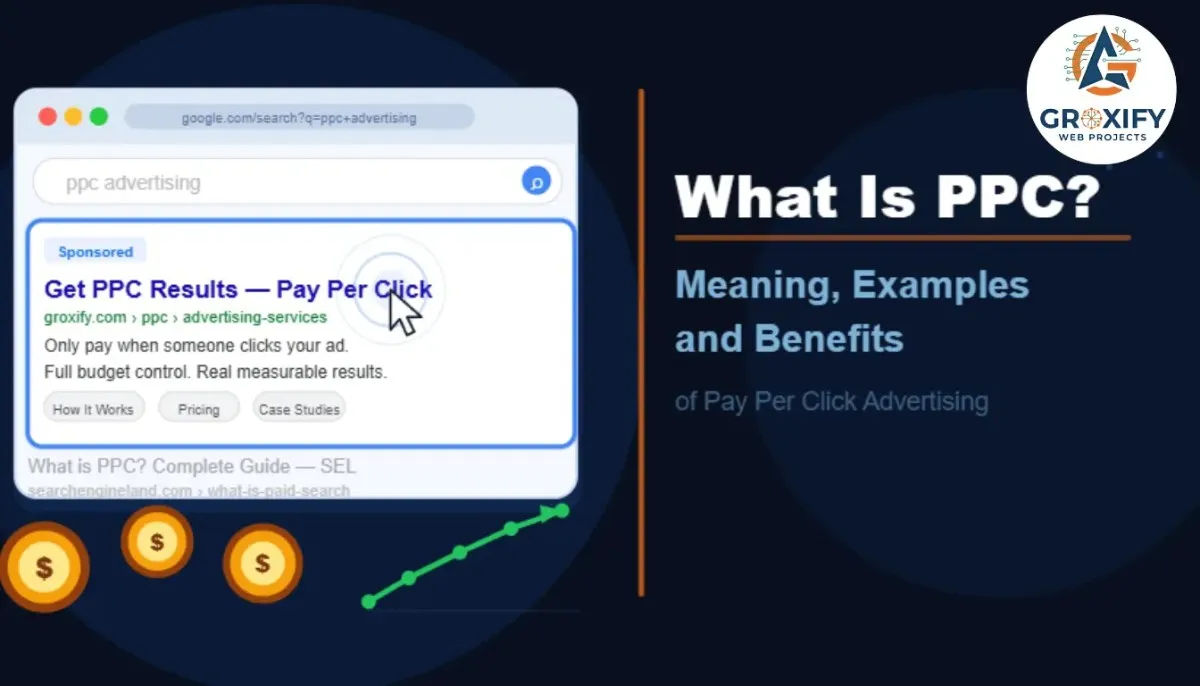
Two terms, same search results page, completely different strategies. That is where most people get confused. You search something on Google and you see results marked “Sponsored” at the top, then a bunch of regular results below. Both came from different approaches. One costs money every time someone clicks. The other took months to earn its spot. Search engine marketing is the paid side. SEO is the organic side. But knowing just that is not enough to make a real decision for your business or project. In this article, you will understand how both actually work, where each one wins, where it fails, and how to decide what makes sense for you right now. What Search Engine Marketing Actually Means Most people hear “search engine marketing” and assume it covers everything related to Google. It does not. SEM, short for search engine marketing, specifically refers to paid advertising on search engines. When a business pays Google to show their ad at the top of search results for specific keywords, that is SEM. The most common form is Google Ads, where you bid on keywords and pay each time someone clicks your ad. This model is called PPC, or pay-per-click, meaning your wallet gets charged per click, not per impression. The “Sponsored” label is the giveaway Every time you see “Sponsored” next to a Google result, that business is running SEM. They picked a keyword, set a budget, and their ad appeared. The moment they stop paying, the ad disappears. That is the core dynamic of paid search. SEM gives you visibility fast. No waiting, no earning it. But it runs entirely on budget, and the moment that budget stops, so does your traffic. What SEO Does (And Why It Takes Time) SEO, or search engine optimization, is the process of improving your website so Google naturally shows it higher in search results, without you paying for each click. The word “organic” is used here because this traffic grows naturally over time rather than being bought. You improve things like your content quality, page structure, site loading speed, and how many other credible websites link back to yours. Google evaluates all of this and decides where to rank you against every competing page on the same topic. Why organic rankings take months Google needs time to discover your content, crawl it (meaning Google’s bots visit and read your pages), compare it against millions of other pages, and then decide where it belongs. That whole process takes weeks, sometimes months. But once you rank? Clicks come in without paying for each one. Over time, a well-ranked page becomes one of the most cost-efficient traffic sources a business can have. That is the real appeal of SEO. SEM vs SEO: The Differences That Actually Matter Here is a clean side-by-side so nothing stays vague: Factor SEM (Paid Search) SEO (Organic Search) Speed Immediate visibility Takes 3 to 6+ months Cost model Pay per click, ongoing Time and effort upfront Traffic lifespan Stops when budget stops Continues without payment Placement Above organic results, marked Sponsored Below ads, based on ranking Control You set exact keywords and timing Google decides rank based on quality signals Trust perception Some users skip ads instinctively Most users treat organic as more credible Best suited for Launches, short campaigns, testing Long-term authority and brand building One thing worth understanding here: organic results still get the majority of clicks, even with ads sitting above them. For informational searches (someone researching, not buying yet), users tend to scroll past ads. For commercial searches (someone ready to buy), ads perform much better. When Search Engine Marketing Makes More Sense If you need traffic now, not three months from now, SEM is the right call. A product launch, a limited-time offer, a new service going live, or a business with no online presence but an active budget. These are SEM scenarios. It also works well as a testing tool. Before spending months optimizing a page for a keyword, you can run a quick Google Ads campaign to check if people actually search for it, click on it, and buy. That data is genuinely valuable, and you would have waited a long time to get it through SEO alone. And for competitive industries where the top organic spots are locked by massive, established brands, paid search can be the only realistic way to show up on page one in any reasonable timeframe. Honestly, SEM rewards people who understand their numbers. If you know that every 100 clicks brings 5 customers and each customer is worth a certain amount, you can run ads profitably and keep scaling. The math has to work, though. Running ads without tracking conversions (the moment a visitor completes a goal, like a purchase or a form fill) is just burning money. When SEO Is the Smarter Investment If your budget is tight and you are thinking long-term, SEO builds something that compounds. A well-ranking article or product page can bring traffic for years without additional spending. SEM simply cannot match that. SEO also builds trust in a way ads do not. Users know the “Sponsored” label means someone paid to be there. Organic results feel more credible for research-heavy searches like “best accounting software for freelancers” or “how to register a company in India.” Businesses building a brand, an audience, or an information-heavy product tend to benefit enormously from organic search over time. Groxify Web Projects consistently sees this pattern in practice: businesses that invest in SEO early end up with lower customer acquisition costs as they scale. One thing to be honest about: SEO is not free. You are trading money for time and skill. Writing quality content, earning backlinks (links from other websites pointing to yours, which signal credibility to Google), and fixing technical site issues all take real effort or money paid to someone doing it well. The cost is just less visible than an ad bill. Can Both Work Together? Yes, and this is actually
Search Engine Marketing vs SEO: Which One Actually Gets You Customers? Read More »