What are social media marketing courses and who should take them?
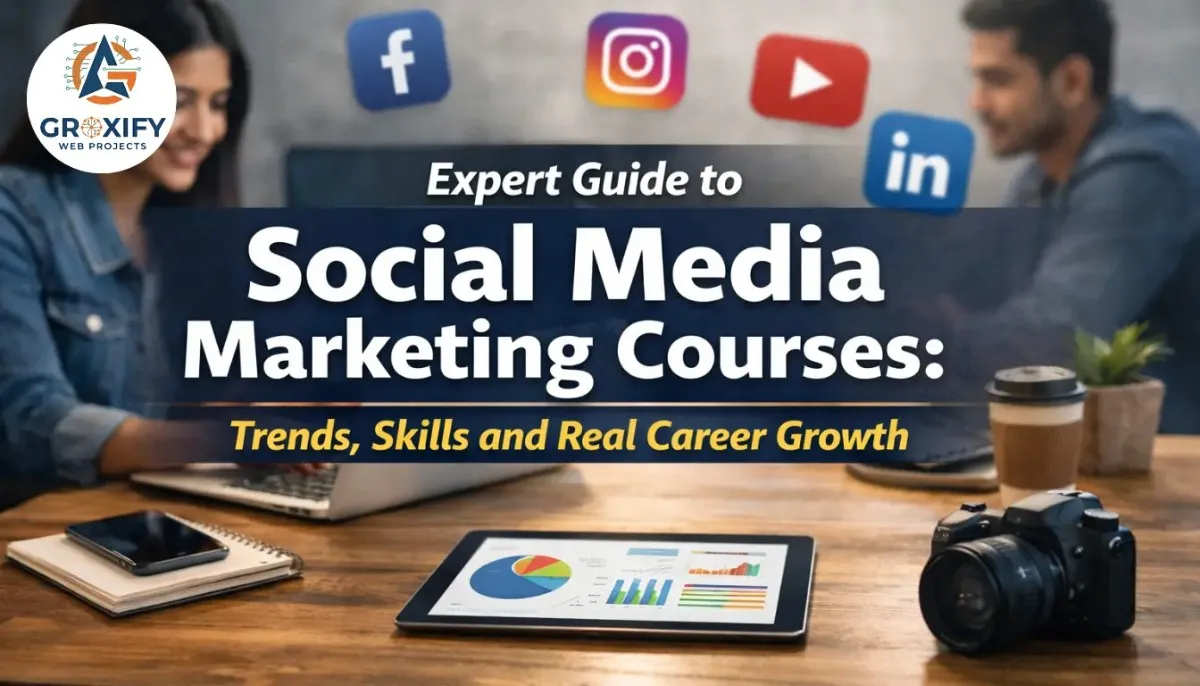
Social media marketing courses are structured programs that teach how to use platforms like Instagram, Facebook, LinkedIn, and YouTube to grow a brand, generate leads, and drive sales. These courses focus on real skills like content planning, ad campaigns, audience targeting, analytics, and trend-based marketing.
In simple terms, you learn how businesses actually get attention and convert it into results.
This matters because social media is no longer optional. Every business, from small shops to large brands, depends on it for visibility and growth. So the demand for skilled professionals keeps increasing.
These courses are ideal for:
- Students who want a practical, job-ready skill
- Freelancers looking to offer marketing services
- Business owners who want to grow online
- Job seekers targeting digital roles
- Content creators aiming to build personal brands
In many practical cases, this becomes the first step toward a stable digital career.
If you are looking for a skill that is creative, in demand, and flexible, this is where it starts.
What is included in a social media marketing course syllabus?
A good social media marketing course syllabus is designed to move from basics to real execution. It is not just theory. You learn how to plan, create, run, and measure campaigns that actually work.
Most social media marketing courses start with platform understanding. This includes how Instagram, Facebook, LinkedIn, and YouTube algorithms behave and how content gets reach.
Then comes content strategy. You learn how to plan posts, write captions, use hashtags, and design content that attracts attention. This is where most beginners start seeing real improvement.
Next is paid advertising. You understand how to run ads, set budgets, target the right audience, and track performance. This is a key skill for any social media marketing job.
Other important parts usually include:
- Audience research and competitor analysis
- Content calendar planning
- Social media tools and automation
- Analytics and performance tracking
- Branding and storytelling basics
Many quality programs, like those offered by Groxify Web Projects, also include live projects or internship-style training. This helps you apply what you learn instead of just watching lectures.
When a course covers both organic growth and paid strategies, it prepares you for real work. That is what makes the syllabus actually useful.
How do social media marketing courses actually work?
In social media marketing courses are not just recorded lectures. They work like a mix of training + real work experience. The focus has shifted from “learning” to “doing”.
Most modern social media marketing courses follow a step-by-step system. First, you learn basic concepts like platforms, content, and audience behavior. Then quickly, you move into practical tasks like creating posts, running ads, and analyzing results.
A typical flow looks like this:
- Concept learning (short video or live class)
- Tool practice (Canva, Meta Ads, analytics tools)
- Real assignments (create content, plan campaigns)
- Feedback from mentors
- Live projects or internship-style work
This practical model is important because social media keeps changing fast. Courses now include AI tools, short-form video strategies, and real campaign execution to match trends.
Another big change is flexibility. You can choose:
- Live classes (structured learning)
- Recorded courses (self-paced)
- Hybrid programs (best of both)
Many institutes, including industry-focused ones like Groxify Web Projects, also offer internship-style training. This helps you build a portfolio, which is critical for getting a social media marketing job.
In real learning scenarios, the turning point comes when you start managing actual pages or ads.
That is how these courses prepare you for real-world work, not just theory.
What are the different types of social media marketing courses available?
Not all social media marketing courses are the same. The type you choose decides how fast you learn and what kind of work you can do later.
Most social media marketing courses fall into a few clear categories based on depth and purpose.
1. Beginner courses
These focus on basics like platforms, content, and simple strategies. Good for students or anyone starting from zero. But they are limited if you want job-ready skills.
2. Advanced or professional courses
These go deeper into ad campaigns, funnels, analytics, and scaling strategies. Ideal if you are targeting a serious social media marketing job or freelance career.
3. Certification courses
Short and focused. They help you validate skills but may not include practical exposure. Useful for adding credibility, not enough alone.
4. Internship-based courses
These combine training with real work experience. You handle actual pages or campaigns. This is where real confidence builds.
5. Niche-specific courses
Focused on one area like Instagram growth, Facebook ads, or content creation. Best for upgrading a specific skill.
In many practical cases, people who choose internship-style or advanced programs progress faster because they work on real projects.
The right type depends on your goal. Learning basics is easy. Becoming job-ready needs the right course format.
What are the fees of social media marketing courses in India?
The fees of social media marketing courses in India vary a lot. It depends on how deep the course is, how long it runs, and whether it includes practical training or internship.
In you will see a clear price structure across different levels.
Typical fee range in India
| Course Type | Duration | Fees (Approx) |
| Basic / Short-term | 1–3 months | ₹10,000 – ₹30,000 |
| Certification courses | 3–6 months | ₹30,000 – ₹1,00,000 |
| Advanced / Job-ready programs | 3–6+ months | ₹50,000 – ₹3,00,000 |
| Diploma / PG programs | 6–12 months | ₹1,00,000 – ₹5,00,000+ |
These ranges are based on current market data across institutes in India.
What affects the course fees?
Fees are not random. They change based on:
- Practical training and live projects
- Internship or placement support
- Institute reputation
- Tools and AI modules included
- Course duration and depth
For example, courses with real client work or internship (like those offered by Groxify Web Projects) usually cost more but give better job readiness.
Free vs paid courses
You will also find free or low-cost options online. But most of them are basic and lack practical exposure. Paid programs focus more on real skills.
In practical situations, students who invest in hands-on training recover the cost faster through freelancing or jobs.
So the real question is not just cost. It is what value you are getting for that cost.
What is the career scope after social media marketing courses?
The career scope after completing social media marketing courses is strong and still growing in. Almost every business needs visibility online, so skilled professionals are always in demand.
Once you complete training, you can move into different roles depending on your interest and skill level.
Job roles you can target
- Social media executive
- Social media manager
- Content strategist
- Paid ads specialist
- Brand manager
- Influencer marketing manager
These roles exist in startups, agencies, and even large companies. That means you are not limited to one industry.
Freelancing and independent work
Many people skip jobs and go straight into freelancing. You can manage accounts, run ads, or handle content for multiple clients. This gives flexibility and often higher income over time.
In real scenarios, even beginners start earning through small projects after basic training.
Internship opportunities
A social media marketing internship is often the first step. It helps you gain experience, build a portfolio, and understand real client expectations.
Salary expectations
- Beginner: ₹15,000 – ₹30,000/month
- Mid-level: ₹30,000 – ₹70,000/month
- Experienced: ₹80,000+ and beyond
Your growth depends on skills, not just certificates.
Long-term scope
With experience, you can build your own agency, personal brand, or consulting business. The field keeps evolving, so learning never stops.
This is why many consider it a flexible and future-ready career option.
What mistakes should you avoid while choosing a course?
Choosing the wrong course can waste both time and money. Many people jump into social media marketing courses without checking what actually matters, and later feel stuck.
Here are the most common mistakes to avoid:
1. Choosing based on low price only
Cheap courses often skip practical training. You may save money now but struggle to get a social media marketing job later.
2. Ignoring practical exposure
If a course only offers videos without real assignments or projects, it won’t prepare you for real work. Skills come from doing, not just watching.
3. Not checking syllabus depth
Some courses look good on the surface but miss important areas like ads, analytics, or strategy. That creates gaps in your learning.
4. Falling for “100% placement” promises
No course can guarantee a job. Good institutes support you, but your skills decide your results.
5. Skipping internship opportunities
A social media marketing internship helps you gain confidence and build a portfolio. Ignoring this can slow your growth.
In many real cases, people realise these mistakes only after finishing the course.
Choosing carefully at the start saves months of confusion later.
How to choose the best social media marketing course for your goals?
Choosing the right course is not about picking the “best” in general. It is about picking what fits your goal. The same course can work for one person and fail for another.
Start by being clear about what you want. Do you want a job, freelancing income, or to grow your own business? Your goal decides everything that follows.
What to check before choosing
1. Course syllabus (must match skills)
The syllabus should include content strategy, paid ads, analytics, and AI tools. Outdated modules will slow your growth.
2. Practical training and live projects
Courses that include real assignments or campaigns help you understand how things actually work. Without practice, skills don’t stick.
3. Internship or placement support
If your goal is a social media marketing job, internship exposure matters a lot. It builds confidence and portfolio.
4. Trainer experience
Learn from someone who has handled real campaigns, not just theory. This changes how you understand strategies.
5. Course format (online vs offline vs hybrid)
Pick based on your schedule. Flexibility matters, but support matters more.
Simple decision approach
- Want quick basics → choose short-term course
- Want job or freelancing → choose advanced + internship program
- Want business growth → choose practical, strategy-focused course
In real cases, people who focus on practical exposure grow faster than those chasing certificates.
Choose based on outcomes, not marketing promises. That is what actually works.
What are the latest trends and smart hacks in social media marketing?
Social media is not about posting regularly. It is about understanding behavior, using smart tools, and creating content people actually engage with. The rules have changed, and those who adapt are getting faster results.
Here are the most important trends and practical hacks you should focus on:
1. Social search is replacing Google
People now search directly on Instagram, YouTube, and TikTok.
Hack:
Use keywords in captions, titles, and even spoken content in videos. Think like a search query, not just a post.
2. AI is everywhere, but human content wins
AI is used for content ideas, captions, and analytics. But pure AI content feels robotic.
Hack:
Use AI for speed, but always add your personal tone, opinion, or story. That’s what builds trust.
3. Short-form video dominates attention
Reels, Shorts, and TikTok-style videos are still leading engagement.
Hack:
Focus on the first 3 seconds. If the hook is weak, the content fails, no matter how good it is.
4. Engagement matters more than followers
Platforms now push content based on interaction, not follower count.
Hack:
Ask questions, reply to comments, and create content that starts conversations. Small engaged audiences perform better.
5. Authentic content beats perfect content
Users are moving away from polished posts to raw, relatable content.
Hack:
Show behind-the-scenes, mistakes, and real experiences. That builds connection faster than perfect visuals.
6. Social commerce is growing fast
People now discover and buy products directly inside apps.
Hack:
Use product tags, demo videos, and simple CTAs like “link in bio” or “DM to buy”.
7. Micro-influencers are more powerful
Smaller creators with niche audiences drive better trust and conversions.
Hack:
Collaborate with small creators instead of chasing big influencers. Results are often better and cheaper.
8. Content needs to be multi-format
Text, video, carousel, and stories all work together now.
Hack:
Repurpose one idea into multiple formats. One topic = 5 pieces of content.
9. Paid ads are becoming smarter
Platforms like Meta are using automation to improve ad performance.
Hack:
Start with small budgets, test creatives, and scale what works instead of guessing.
10. Community is the real growth engine
Brands are shifting from audience to community building.
Hack:
Create groups, reply consistently, and make people feel involved. That builds long-term growth.
In real campaigns, the biggest difference comes from combining these trends, not following just one.
That is what separates average content from results-driven social media marketing.
Key takeaways
- Social media marketing courses are skill-based, not theory-based
Focus on learning how to execute campaigns, not just understanding concepts. That is what actually leads to results. - Practical training matters more than certificates
Courses with live projects or a social media marketing internship help you become job-ready faster. - Fees should be judged by value, not price
A higher investment often makes sense if it includes real experience, tools, and mentorship. - Career scope is wide and flexible
You can choose a social media marketing job, freelancing, or even build your own brand over time. - Choosing the right course decides your growth speed
The right syllabus, trainer, and exposure can save months of confusion. - Trends demand real skills, not outdated methods
Short-form content, AI usage, and engagement-focused strategies are now essential.
These points sum up what actually matters when starting or growing in this field.
FAQs
These are training programs that teach how to grow brands using platforms like Instagram, Facebook, and LinkedIn. They cover content creation, ads, and analytics to help you get real results.
Students, job seekers, freelancers, business owners, and content creators can all benefit. Anyone looking to build an online presence or career can start here.
No course can guarantee a job. But good courses improve your skills, portfolio, and confidence, which increases your chances of getting a social media marketing job.
Most courses range from 1 to 6 months. Advanced or diploma programs may take longer depending on depth and practical training included.
Fees usually range from ₹10,000 to ₹3,00,000 depending on course level, duration, and whether it includes practical training or internship.
It is not mandatory but highly recommended. It helps you gain real experience, build a portfolio, and understand how actual campaigns work.
Yes, basic concepts are available for free. But most free resources lack practical training, which is important for real career growth.
You need creativity, basic writing skills, understanding of trends, and analytical thinking. Consistency and learning mindset also play a big role.
You can work as a social media executive, manager, freelancer, or even start your own agency or personal brand.
The best institute depends on your goals. Look for one that offers practical training, updated syllabus, and internship support like Groxify Web Projects.
Conclusion
Social media marketing is no longer just an optional skill. It has become a core part of how businesses grow, connect, and sell online. That is why social media marketing courses are gaining so much importance.
But choosing the right course is what makes the real difference. A course with updated syllabus, practical training, and real exposure can directly shape your career path. On the other hand, a theory-based course can leave you confused even after completion.
If your goal is a social media marketing job, freelancing, or building your own brand, focus on learning by doing. Skills, not certificates, decide your growth.
Institutes like Groxify Web Projects that combine training with real-world experience can give you a stronger starting point.
In the end, this field rewards people who take action, stay consistent, and keep adapting.
Start with the right course, and the rest becomes much easier.

Rohit Singh is the Founder of GROXIFY WEB PROJECTS LLP with many years of hands-on experience in digital marketing, including SEO, PPC, social media, email marketing, content writing, and WordPress development. He has worked with global clients across industries and helped businesses achieve 5x–10x revenue growth through data-driven strategies and practical execution. Rohit actively manages digital teams, builds business strategies, plans marketing systems, and oversees execution to drive consistent traffic, leads, and long-term business growth.